Eureka Tower
On the Yarra waterfront, in the Southbank area, there is the highest skyscraper in Melbourne, Eureka Tower (7 Riverside Quay, Southbank).
Continue Readingarchitecture and literature
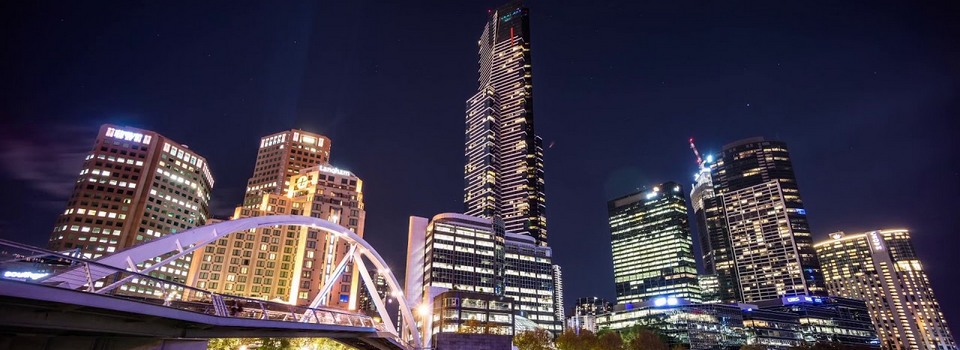
On the Yarra waterfront, in the Southbank area, there is the highest skyscraper in Melbourne, Eureka Tower (7 Riverside Quay, Southbank).
Continue Reading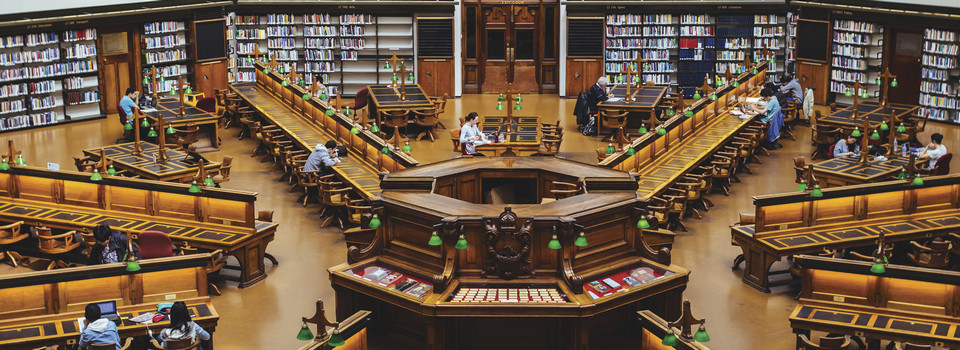
The institution in question is located in the city of Melbourne, the capital of the state of Victoria, Australia.
Continue Reading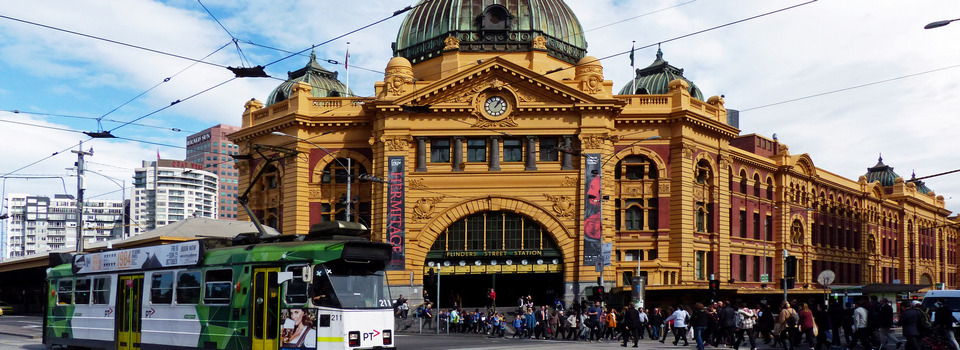
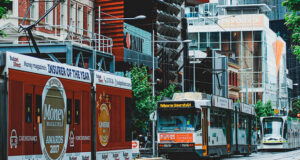
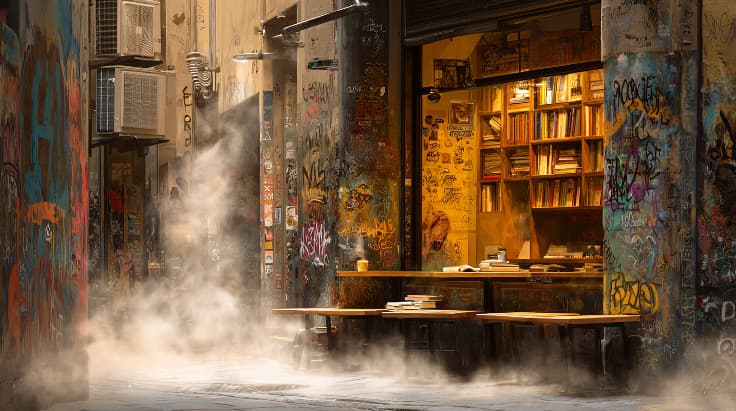
The capital of the Australian state of Victoria, Melbourne, is listed as a UNESCO Literary Cities, as it is the literary epicenter of the entire country.
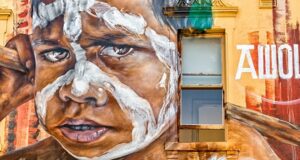
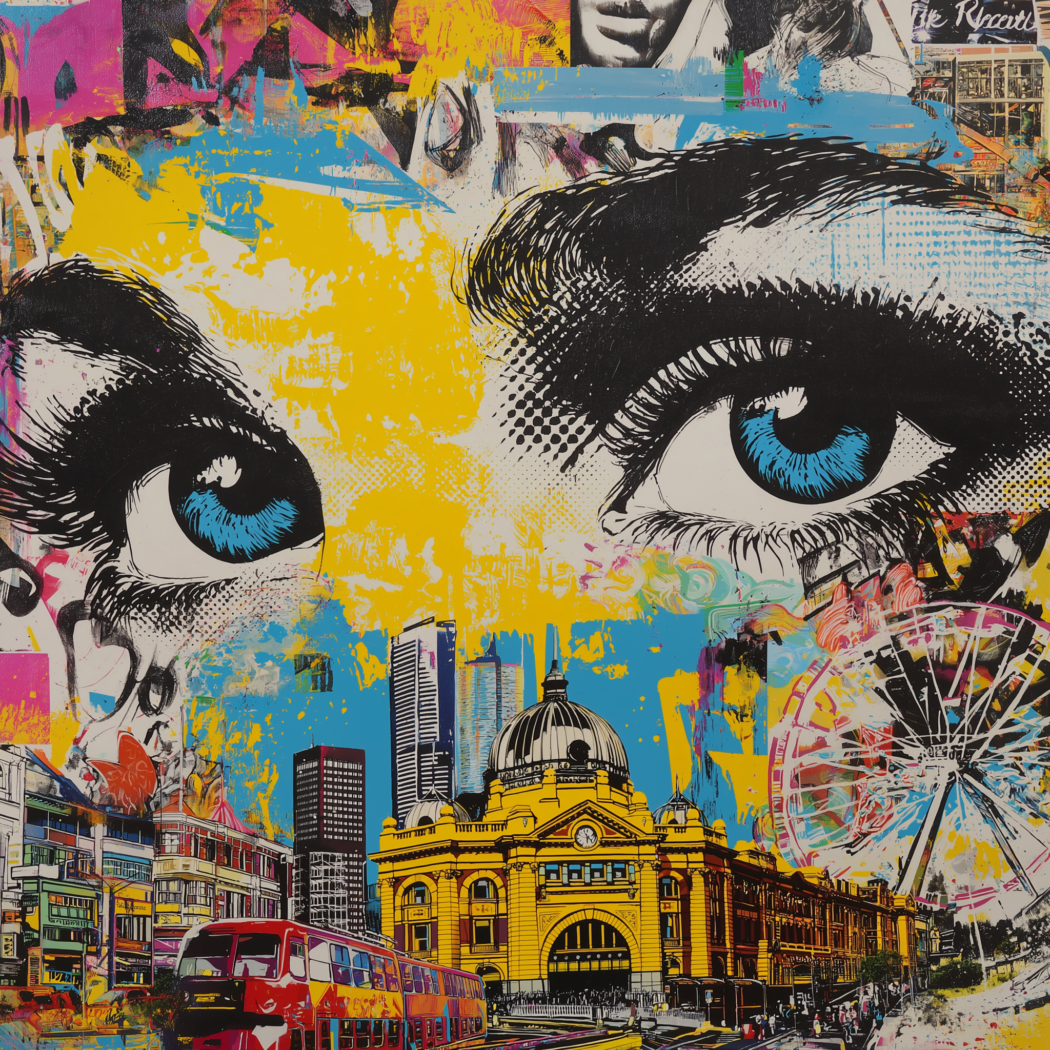
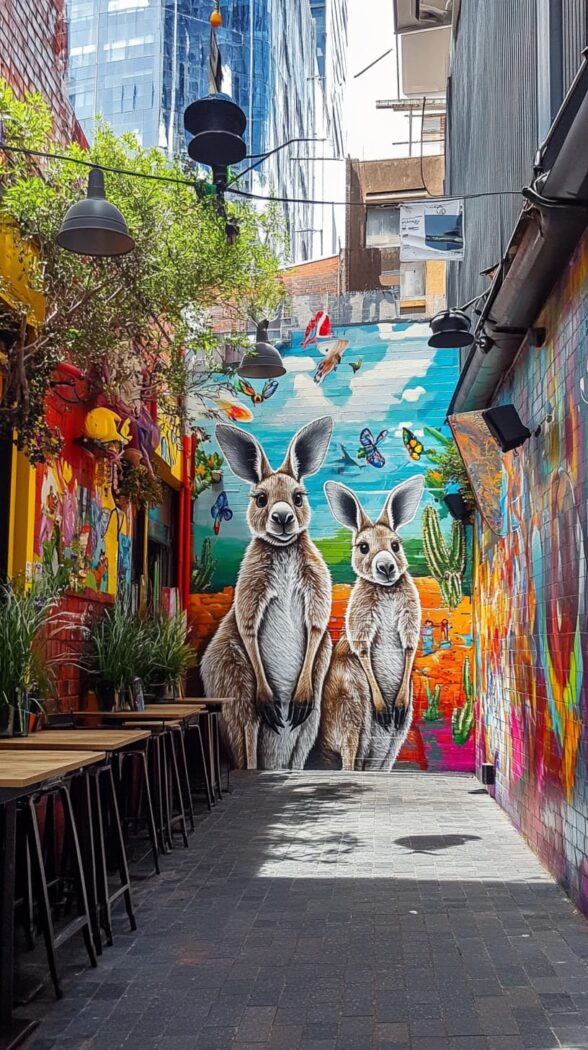
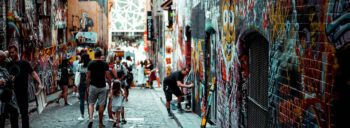
Melbourne is the street art capital of Australia. For 20 years, street art has grown from being tagged on trips to entire alleys and murals 20 stories high.
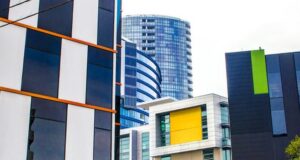
Melbourne is movement, shape, color, height, space and freedom. It is the smell of coffee and the aromas of food from hundreds of restaurants, bars and eateries.
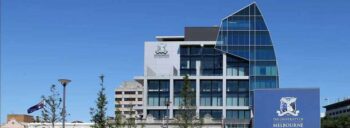
In the territories of modern Melbourne, people lived more than 30 thousand years ago, and when Europeans arrived here, there were about 20 thousand inhabitants who were engaged in hunting and gathering, and also used these places for intertribal meetings; a colonial settlement was founded here in 1803, but later it moved to other lands, the second attempt to organize a town dates back to 1835 – it was crowned with success and here the village of Batmania arose – named after one of the founders of John Batman – which was later renamed in honor of the Earl of Melbourne.
In 2008, Melbourne was selected by UNESCO as the Official City of Literature. The appointment marked the state capital of Victoria’s longstanding commitment to literary art that can trace its legacy back to the “book book” that followed the gold rush in the 19th century and the city’s library, one of the first free and public Bible institutions in the world. Melbourne is home to a variety of publishers, Text and Lonely Planet among them, as well as the Melbourne Writers Festival and the Wheeler Center, which hosts an internationally renowned literary program.
Melbourne is one of the seven cities of UNESCO due to its rich literary history and modern enthusiasm for the written word.
The Melbourne Writers Festival spans the widest range of writing, from Nobel Prize winners to celebrity bloggers.
Its program includes storytelling sessions, conversations with authors and industry professionals, live performances, music, and literary art presentations.
The program brings together over 400 leading Australian and international thinkers and writers to engage audiences through inspiring and thoughtful panel discussions and interviews.
Highlights from the past include Sir Salman Rushdie and the Twitter feed of Canadian astronaut Chris Hadfield, as well as the Mexican anti-corruption campaign Lydia Cacho and Elizabeth Colbert.